CEW ✦ Est. 1985
Precision Cast Iron Manufacturing
Tractor & Bulldozer Components
ISO Quality Standards
CNC Precision Machining
Export-Ready Engineering
Heat Treatment & QA
Custom Foundry Solutions

Precision Cast Iron Manufacturing
Tractor & Bulldozer Components
ISO Quality Standards
CNC Precision Machining
Export-Ready Engineering
Heat Treatment & QA
Custom Foundry Solutions
Browse

All
Products

Precision-cast components engineered for demanding industries worldwide.

View All
✦ Enquire Today

Custom Engineering Solutions

Get a Quote
Material Specification

Material Specification,
Verified by Science.

Every dependable component starts with the right material. Our material specification service pairs precise alloy steel and cast iron grade selection with in-house OES spectrometry, matching each part to the correct international standard. From standard grades to custom alloy formulation, we define, verify, and certify the chemical composition and mechanical properties your application demands.

0+
Alloy Grades
0+
Standards Covered
0%
Composition Accuracy
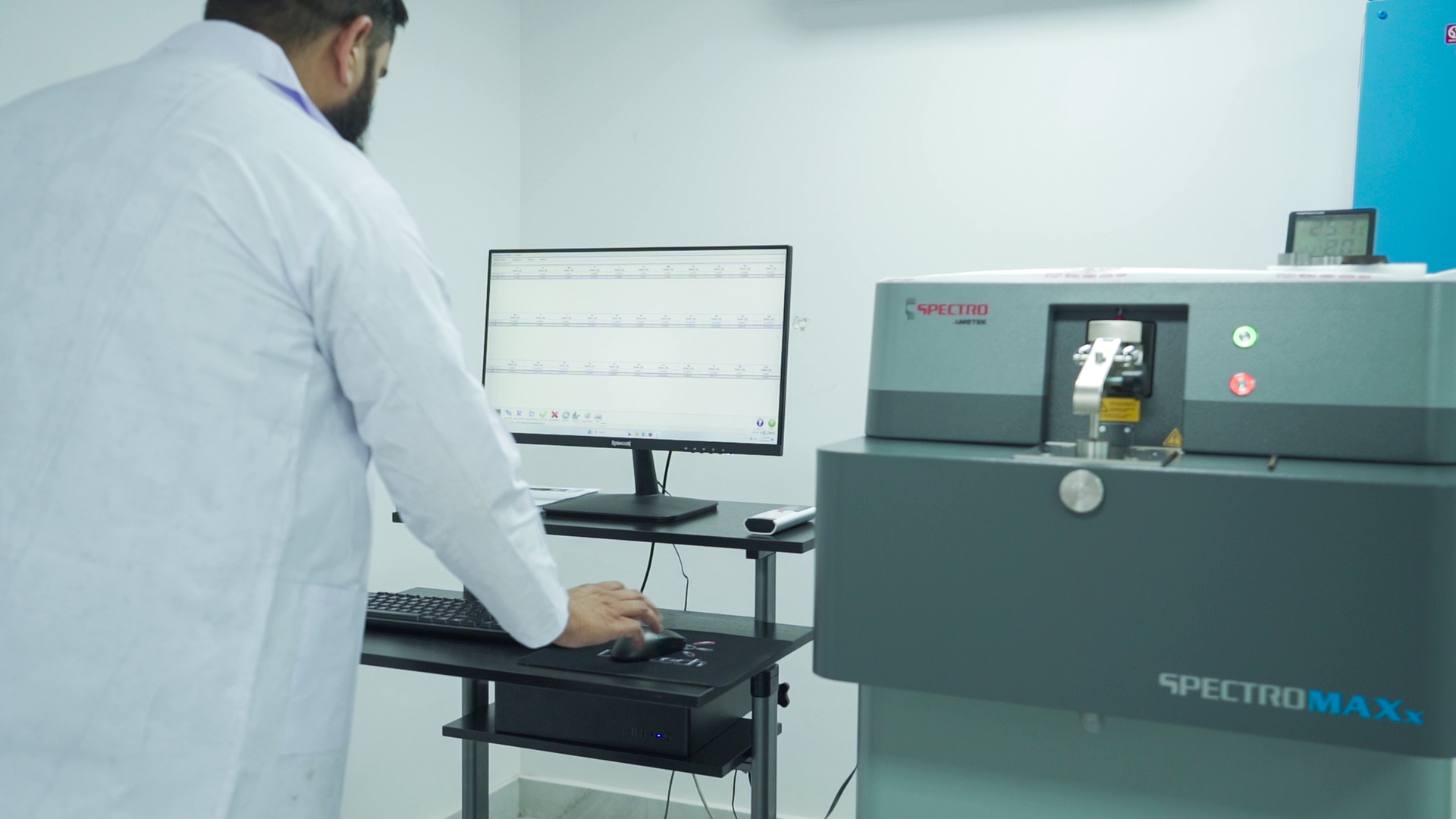
OES spectrometry for material specification at Chenab Engineering Works, Pakistan
OES SpectrometryChemical Composition Verified

Material Specification

Features
  • Alloy steel grade selection
  • Spectroscopic material analysis
  • International standard matching
  • Custom alloy formulation

Where Composition Becomes Confidence.

A material specification defines exactly what a component is made of and how it must perform: the chemical composition, the mechanical properties, and the international standard it conforms to. Getting this right is the foundation of every reliable part. At Chenab Engineering Works, material specification is not a paperwork exercise. It is a controlled engineering process that begins with grade selection, runs through spectrometric verification of every melt, and ends with a documented material that matches the correct standard for your application. The same discipline underpins the castings we pour and the components we machine and heat treat.

Optical emission spectrometer verifying alloy composition during material specification
Spectroscopic Analysis

Proven Composition,
Not Assumed.

Our in-house optical emission spectrometry reads the precise chemical composition of every melt in seconds, so the alloy you specify is confirmed before it is ever poured into a mould.

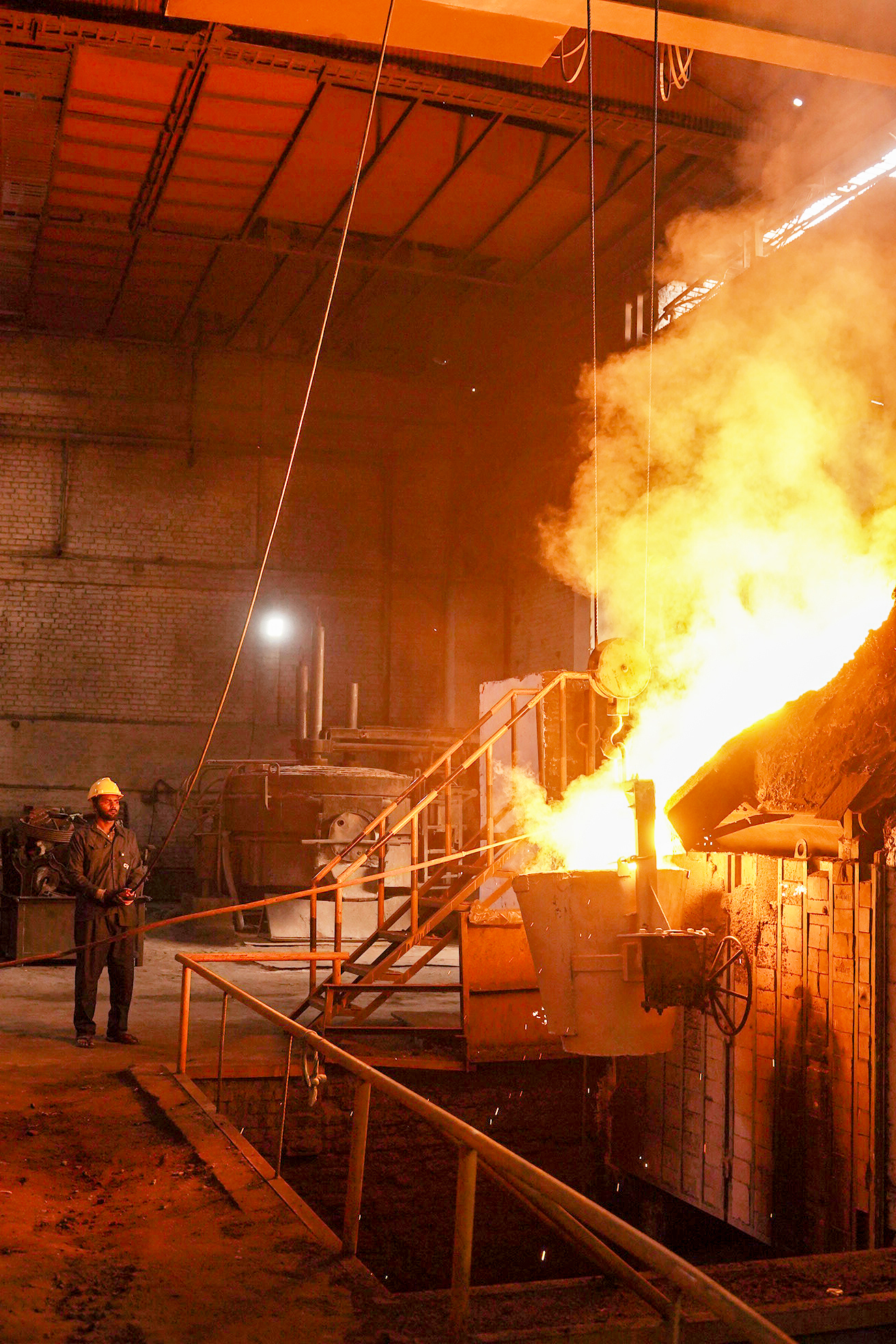
Alloy steel and cast iron grade selection for material specification
Grade Selection

The Right Grade for Every Application

Choosing the correct material grade is the single most important decision in any component's life. Our metallurgists work with your engineering team to specify the optimal alloy steel or cast iron grade, balancing strength, ductility, hardness, wear resistance, machinability, and cost against the demands of the application.

From standard grey and ductile iron through carbon and low alloy steels to stainless and non-ferrous grades, we match the material to the duty, then verify it. Where an off-the-shelf grade will not do, we develop a custom alloy formulation to hit the exact properties required.

  • Grey iron and ductile iron grade selection
  • Carbon, low alloy, and high alloy steel grades
  • Stainless steel and heat resistant grades
  • Aluminium, brass, and bronze alloys
  • Strength, hardness, and wear targets defined to spec
Specify a Material
0+
Alloy Grades Available
0+
International Standards
0+
Years of Metallurgy
0%
Heats Verified
Grades Overview

Material Grades & Specifications

Typical grades we specify and supply. Exact values are confirmed per heat by spectrometry and mechanical testing against the applicable standard.
Material Grade Available Standard Tensile Strength Hardness
Grey Iron GG-25Lamellar Graphite Iron BS EN 1561 250 MPa min 180 to 220 HB
Ductile Iron GGG-50Nodular Graphite Iron BS EN 1563 500 MPa min 170 to 240 HB
Cast Carbon Steel WCBGeneral Purpose Steel ASTM A216 485 to 655 MPa 137 to 187 HB
Cast Alloy SteelHigh Strength ASTM A148 620 to 1035 MPa 190 to 300 HB
Stainless Steel 304 / 316Austenitic ASTM A351 485 to 515 MPa 140 to 170 HB
Aluminium A356Cast Aluminium Alloy BS LM25 230 to 280 MPa 75 to 110 HB
Brass & BronzeCopper Based Alloy BS EN 1982 200 to 300 MPa 60 to 120 HB
Analysis & Verification

Spectroscopy That Leaves Nothing to Chance

A specification is only as good as the proof behind it. Our optical emission spectrometry measures the full chemical composition of each melt, element by element, so the material is confirmed against the standard before production continues. Nothing is taken on trust.

Where your part must conform to a foreign or customer standard, we match the grade across international systems and, when needed, develop a custom alloy formulation to meet exact mechanical and chemical targets. Every order can carry a material test certificate.

  • OES spectrometry on every heat
  • Chemical composition checked to specification
  • International standard matching across ASTM, EN, BS, DIN, and JIS
  • Custom alloy formulation for special requirements
  • Material test certificate supplied on request
Request a Certificate
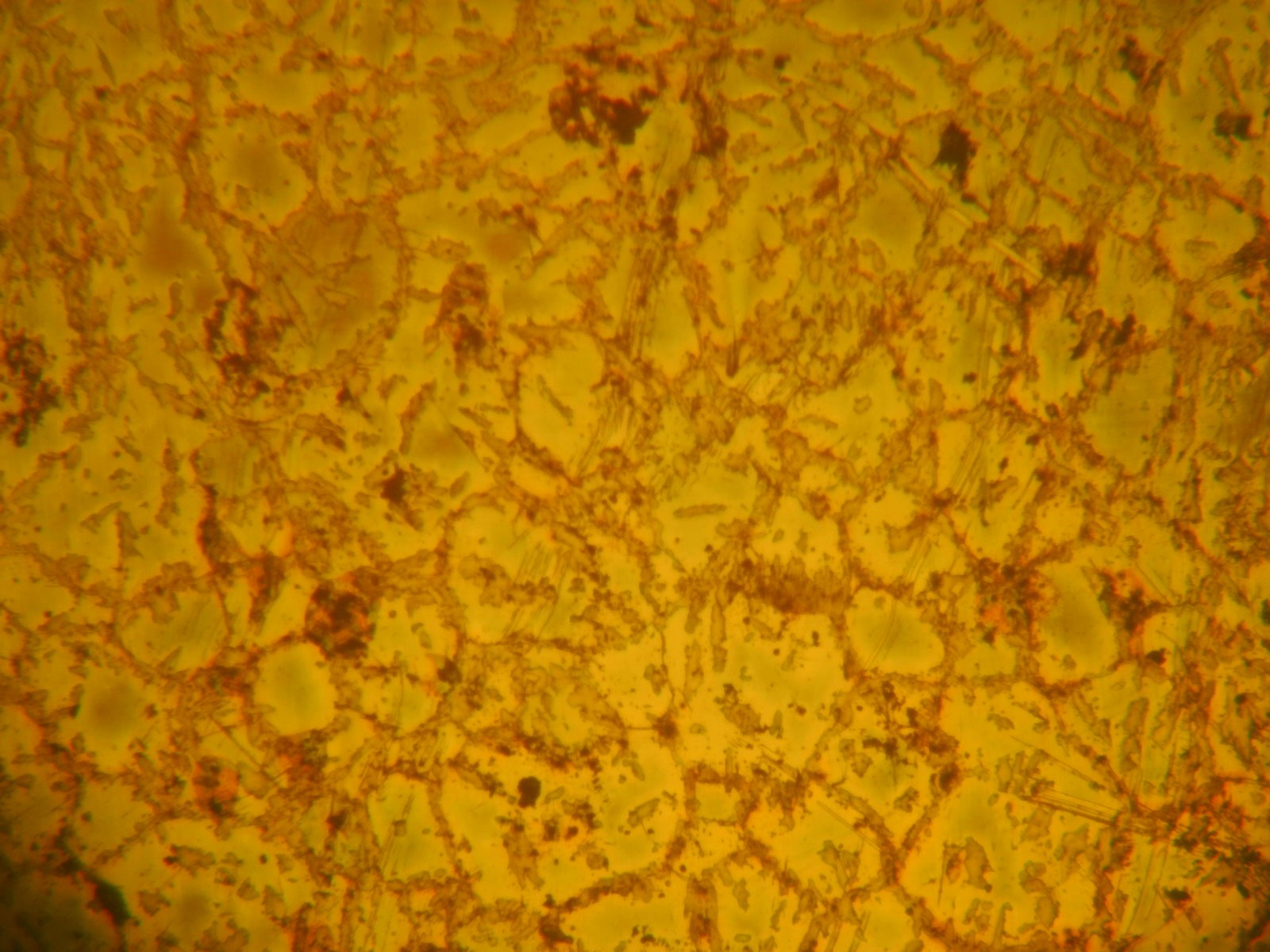
Material composition analysis and standard verification in the laboratory

Our Material
Specification Process

A controlled five-step route from application review and grade selection through spectrometric analysis, standard matching, and final certification.

01

Application Review

Understanding the duty, loads, environment, and target properties of the component with your team.

02

Grade Selection

Specifying the optimal alloy or iron grade, or developing a custom formulation where required.

03

Spectrometric Analysis

OES verification of chemical composition on the melt, element by element, before pouring.

04

Standard Matching

Confirming conformance to the applicable ASTM, EN, BS, DIN, or JIS standard and grade.

05

Certification

Issuing the material test certificate with composition and mechanical property records.

Material testing laboratory at Chenab Engineering Works
Testing Laboratories

Verified in Our Own Labs

Material specification at Chenab Engineering Works is backed by dedicated in-house laboratories. Our spectrometry, mechanical test, sand, and metallography labs run alongside production, so composition and properties are proven, not estimated.

This integrated testing means a single supplier is accountable for defining, verifying, and certifying your material, from chemical composition through to tensile strength, hardness, and microstructure.

OES Spectrometry Mechanical Test Lab Hardness Testing Metallography Sand Testing NDT Testing
International Standard Matching

Standards Cross-Reference

Indicative equivalents across major standards bodies. The exact matching grade is confirmed on enquiry against your drawing and specification.
Material Family EN / ISO ASTM DIN / Other Status
Grey IronEN 1561ASTM A48DIN 1691Active
Ductile IronEN 1563ASTM A536DIN 1693Active
Cast Carbon SteelEN 10293ASTM A216DIN 1681Active
Cast Alloy SteelEN 10293ASTM A148DIN 17205Active
Stainless SteelEN 10283ASTM A351SpecialistActive
Aluminium AlloyEN 1706ASTM B26BS LMActive
Brass & BronzeEN 1982ASTM B584DIN 1705Active
Common Questions

Material Specification FAQs

What is a material specification?
A material specification defines exactly what a component is made of and how it must perform. It sets out the chemical composition, the required mechanical properties such as tensile strength and hardness, and the international standard the material conforms to. At Chenab Engineering Works we select, verify, and certify the material for each part rather than relying on assumption.
Which material grades and standards do you cover?
We specify grey iron, ductile iron, carbon and alloy steel, stainless steel, aluminium, and copper based alloys, conforming to ASTM, EN, BS, DIN, and JIS standards. Common grades include grey iron to BS EN 1561, ductile iron to BS EN 1563, and cast steel to ASTM A216 and A148.
How do you verify material composition?
Composition is verified by in-house optical emission spectrometry on every melt, which reads the full chemical makeup element by element. This is supported by mechanical testing for strength and hardness, so the material is proven against the standard before the part is finished.
Can you match a foreign or customer standard?
Yes. We match grades across international standards systems, so a part specified to one standard can be supplied to its equivalent in another. Where an exact equivalent does not exist, our metallurgists advise on the closest match and the implications for properties.
Do you offer custom alloy formulation?
Yes. When a standard grade will not meet the requirement, we develop a custom alloy formulation tuned to your target chemical composition and mechanical properties, then verify it by spectrometry and testing.
Do you provide material test certificates?
A material test certificate recording chemical composition and mechanical property results can be supplied with your order on request, giving full traceability from specification to finished component.
Where are you based?
Our foundry and laboratories are based in Faisalabad, Pakistan. We serve manufacturers across Lahore, Karachi, and the wider region, as well as export customers worldwide.
Our Product Range

Tractor Parts Catalogue

Precision-engineered cast iron and machined components for Massey Ferguson, Fiat, and New Holland tractors. Explore our complete product range below.

Specified materials for industrial components across Pakistan's manufacturing sectors
Industries We Serve

Agriculture · Automotive ·
Defence · Heavy Machinery

The right material specification underpins components for Pakistan's most demanding sectors, from tractor and bulldozer OEMs to defence, energy, and export markets worldwide.

Let's Work Together

Specify With
Confidence.

Partner with Chenab Engineering Works to define, verify, and certify the right material for your component. From alloy steel grade selection and spectroscopic analysis to international standard matching and custom alloy formulation, we get the specification right from the start.