CEW ✦ Est. 1985
Precision Cast Iron Manufacturing
Tractor & Bulldozer Components
ISO Quality Standards
CNC Precision Machining
Export-Ready Engineering
Heat Treatment & QA
Custom Foundry Solutions
Precision Cast Iron Manufacturing
Tractor & Bulldozer Components
ISO Quality Standards
CNC Precision Machining
Export-Ready Engineering
Heat Treatment & QA
Custom Foundry Solutions
Browse

All
Products

Precision-cast components engineered for demanding industries worldwide.

View All
✦ Enquire Today

Custom Engineering Solutions

Get a Quote
Heat Treatment

Heat Treatment Services in Pakistan

Chenab Engineering Works delivers precision heat treatment services in Pakistan, transforming the hardness, strength, and durability of steel and cast iron through controlled heating and cooling. From hardening and tempering to annealing, normalising, and case hardening, our metallurgists tune every component to its required mechanical properties. Operating computer-controlled atmosphere furnaces at our TÜV Austria certified facility in Faisalabad, we serve agricultural, automotive, defence, and heavy machinery manufacturers nationwide.

0+
Years of Metallurgy
0+
Treatment Processes
0%
First-Pass Quality
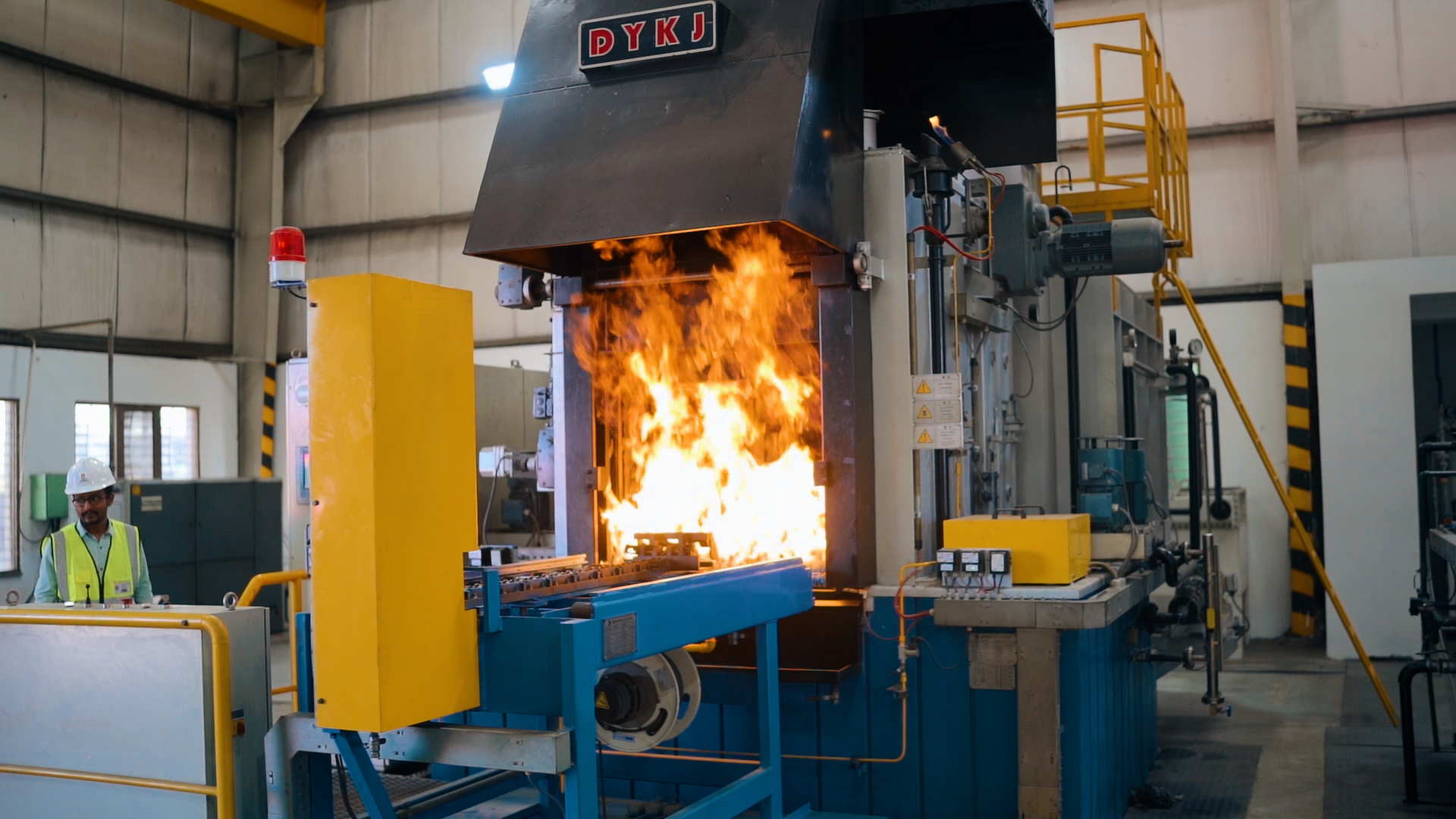
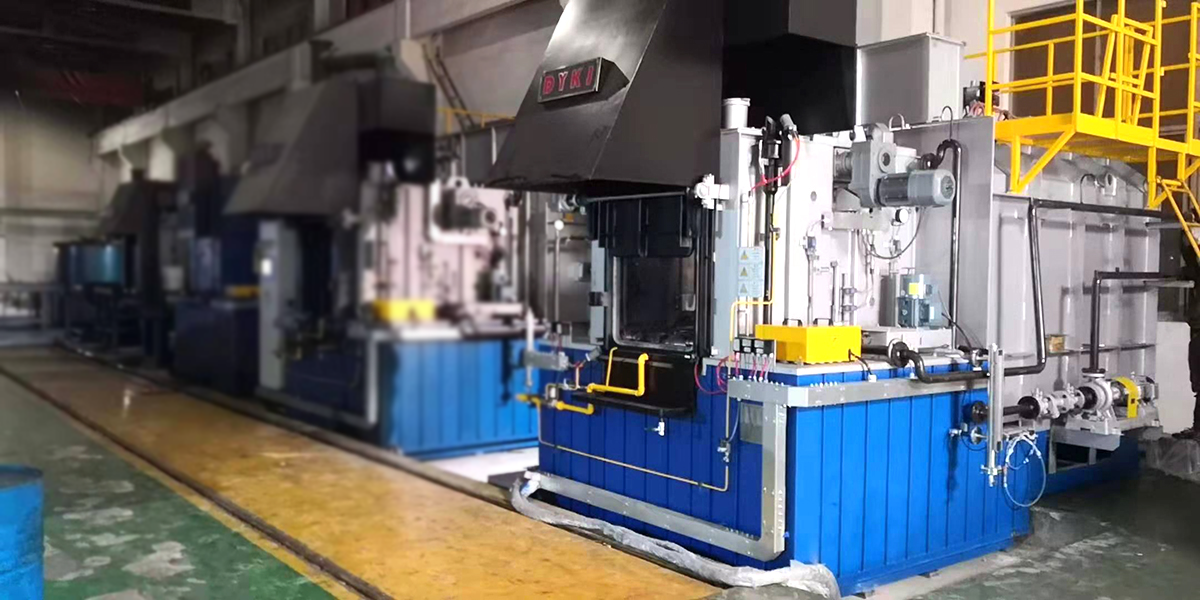
Heat treatment furnace facility at Chenab Engineering Works in Pakistan
Controlled Atmosphere FurnacesHardening · Tempering · Annealing

Where Heat Becomes Performance.

Heat treatment is the controlled process of heating and cooling metals to alter their physical and mechanical properties without changing their shape. By precisely managing temperature, holding time, and cooling rate, the hardness, strength, ductility, toughness, and wear resistance of a component can be engineered to exact specification. The same grade of steel can be left soft enough to machine freely or made hard enough to resist heavy abrasion, depending entirely on how it is treated. At Chenab Engineering Works, we combine decades of foundry metallurgy with modern furnace control to deliver heat treatment that performs reliably under real working loads, from a single prototype to full production batches.

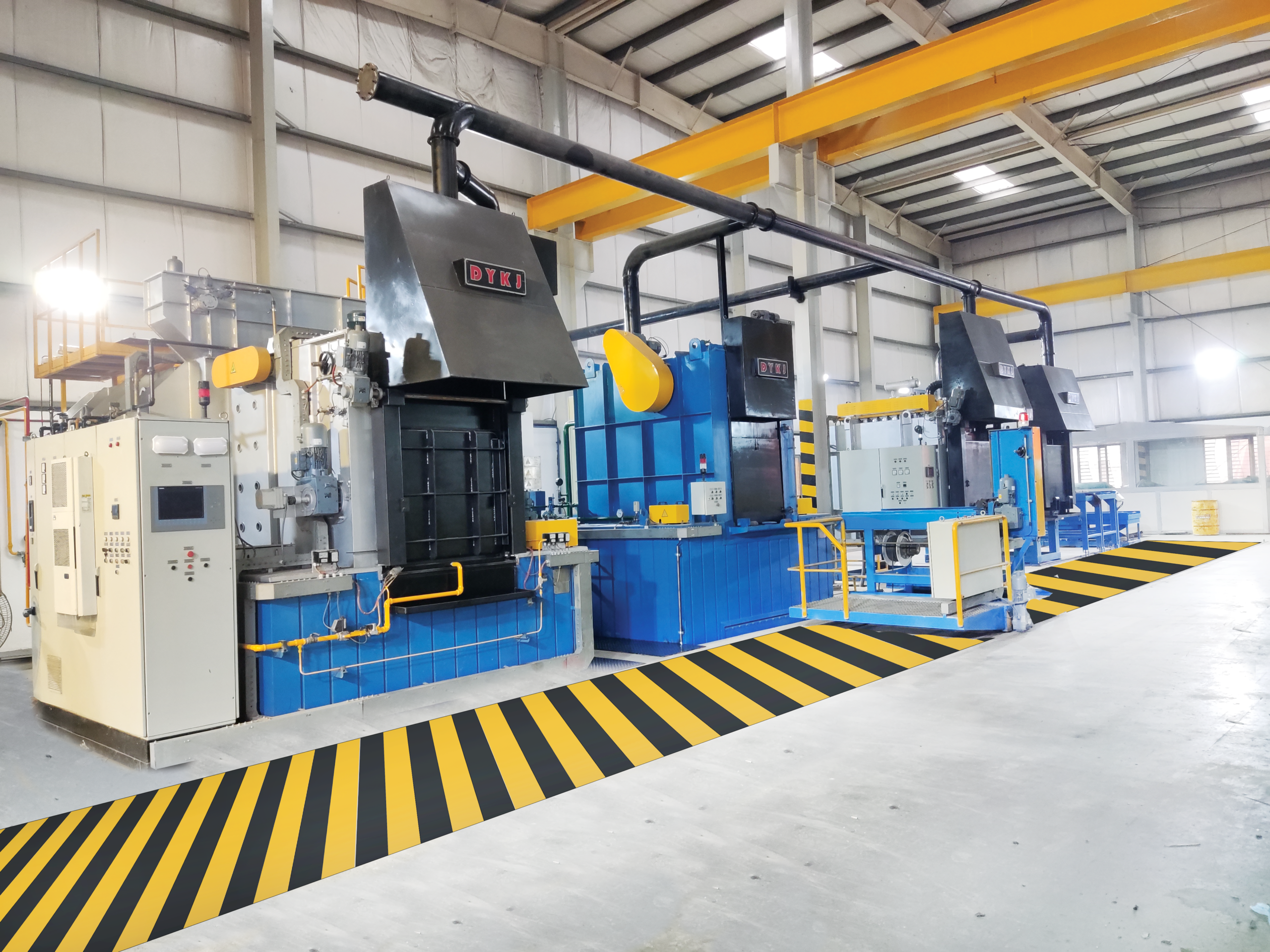
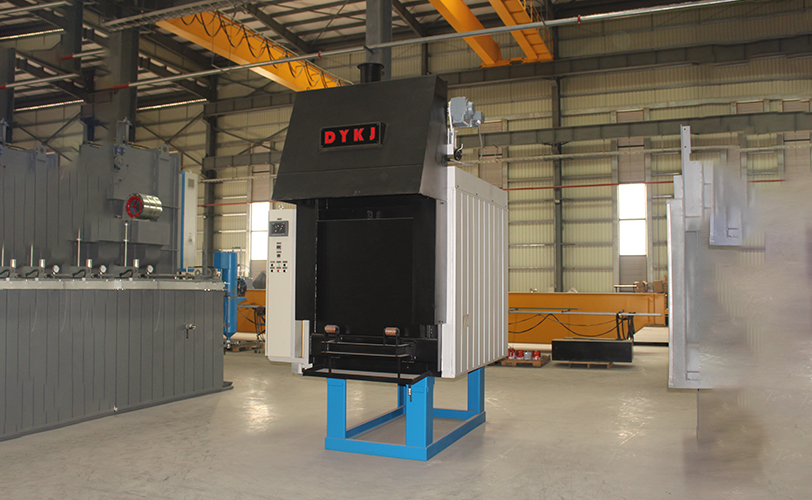
Industrial heat treatment furnace and metal components in Pakistan
Controlled Atmosphere Furnaces

Precise Heat,
Predictable Results.

Every heat treatment outcome depends on uniform temperature and a protected furnace atmosphere. Our furnaces hold tight thermal tolerances and shield components from scaling and decarburisation, so the metallurgy you specify is the metallurgy you receive, batch after batch.

Quenching and hardening process during heat treatment
Core Processes

Hardening, Tempering, Annealing & Normalising

Most heat treatment work is built on a handful of fundamental cycles, each engineered to deliver a specific balance of properties. Hardening raises steel above its critical temperature and quenches it rapidly to lock in a hard martensitic structure, while tempering follows to restore toughness and remove the brittleness that hardening leaves behind.

Annealing softens metal and relieves internal stress for easier machining and forming, and normalising refines the grain structure to give uniform, repeatable mechanical properties across a full batch. Choosing the correct cycle for each component is where metallurgical judgement makes the difference between a part that lasts and one that fails early.

  • Through hardening and quenching in oil, water, or polymer
  • Tempering for a balanced blend of hardness and toughness
  • Full and process annealing for machinability and ductility
  • Normalising for uniform, fine-grain structure
  • Stress relieving for welded, machined, and cast parts
Discuss Your Requirements
0 °C
Maximum Furnace Temperature
0 HRC
Peak Hardness Achievable
0+
Heat Treatment Processes
0+
Years of Metallurgy
Capabilities Overview

Heat Treatment Processes & Capabilities

A comparison of the heat treatment cycles available at our Pakistan facility, covering suitable materials, typical temperature range, and the metallurgical outcome of each process.
Process Available Suitable Materials Typical Temperature Outcome
Hardening & QuenchingThrough Hardening Carbon & Alloy Steel 820 to 900 °C Up to 60 HRC
TemperingToughening Cycle Hardened Steel 150 to 650 °C Toughness restored
Full AnnealingSoftening Steel & Cast Iron 700 to 900 °C Soft and machinable
NormalisingGrain Refinement Carbon & Alloy Steel 850 to 950 °C Uniform grain
CarburisingCase Hardening Low-Carbon Steel 880 to 950 °C Hard case, tough core
Induction HardeningSurface Hardening Medium-Carbon Steel Surface localised 50 to 62 HRC
Stress RelievingDistortion Control Welded & Cast Parts 550 to 680 °C Residual stress reduced
Surface & Case Hardening

A Hard Surface Over a Tough Core

Many components must resist surface wear while staying tough enough to absorb shock and fatigue. Case hardening achieves exactly this, diffusing carbon or nitrogen into the outer layer to create a hard, wear-resistant skin over a ductile core. Gears, shafts, cams, sprockets, and tractor linkage pins are typical candidates.

We offer carburising, carbonitriding, nitriding, and induction hardening, each suited to different geometries and distortion tolerances. For parts that cannot accept dimensional change, nitriding and induction hardening deliver high surface hardness with minimal distortion, while case depth is always controlled to the drawing specification.

  • Carburising and carbonitriding for low-carbon steels
  • Nitriding for wear and fatigue resistance with low distortion
  • Induction hardening for shafts, gear teeth, and pins
  • Flame hardening for large or localised surfaces
  • Controlled case depth to exact drawing specification
View Treatment Options
Case hardened steel components after surface heat treatment

Our Heat
Treatment Process

A disciplined cycle from incoming inspection and material verification through controlled heating, quenching, tempering, and final hardness validation, fully documented at every stage.

01

Material Verification

Incoming inspection, grade confirmation, and review of the required specification, target hardness, and case depth.

02

Controlled Heating

Loading into atmosphere-controlled furnaces and heating to the precise austenitising or process temperature.

03

Quenching

Rapid, uniform cooling in the correct medium, oil, water, polymer, or air, to develop the target microstructure.

04

Tempering & Relieving

Reheating to relieve stress, restore toughness, and dial in the final balance of hardness and ductility.

05

Hardness & Inspection

Rockwell, Brinell, or Vickers testing, case depth checks, and full certification before dispatch.

Metallurgical laboratory and hardness testing at Chenab Engineering Works
Metallurgical Control

The Science Behind Every Cycle

Repeatable heat treatment depends on data, not guesswork. Our metallurgical laboratory monitors furnace temperature uniformity, quench performance, and atmosphere composition on every batch, so the results stay consistent from the first part to the last.

Hardness testing across the Rockwell, Brinell, and Vickers scales, combined with microstructure examination and case depth measurement, confirms that each component meets its specification before it leaves our facility, backed by a full test certificate.

Rockwell Testing Brinell Testing Vickers Microhardness Case Depth Analysis Microstructure Review Furnace Calibration
Treatments at a Glance

Treatments, Benefits & Applications

The heat treatment cycles routinely run at our facility, with the process type, typical hardness achieved, common applications, and current availability.
Treatment Process Type Typical Hardness Typical Application Status
Hardening & Tempering Through Treatment Up to 60 HRC Gears, shafts, axles Active
Full Annealing Softening 120 to 180 HB Castings, forgings, billets Active
Normalising Grain Refinement 150 to 200 HB Structural steel parts Active
Carburising Case Hardening 58 to 62 HRC case Pins, bushes, sprockets Active
Nitriding Surface Diffusion 600 to 900 HV Crankshafts, dies, valves Specialist
Induction Hardening Surface Hardening 50 to 62 HRC Shafts, gear teeth, rollers Active
Stress Relieving Stabilising Hardness unchanged Welded & cast assemblies Active
Heat treated industrial components for Pakistan's manufacturing sectors
Industries We Serve

Agriculture · Automotive ·
Defence · Heavy Machinery

From tractor gears and tillage tines to automotive shafts, defence components, and tooling, our heat treatment hardens the parts Pakistan's industry depends on, delivered in any volume to exact specification.

Common Questions

Heat Treatment Services FAQs

What heat treatment services do you offer in Pakistan?
Our facility in Faisalabad provides a full range of heat treatment services, including hardening and quenching, tempering, full and process annealing, normalising, stress relieving, carburising, nitriding, and induction hardening. We treat steel and cast iron components for the agricultural, automotive, defence, and heavy machinery sectors, from single prototypes to large production batches.
How much does heat treatment cost?
Pricing depends on the process, material, part size, batch quantity, and the target hardness or case depth required. The most accurate way to get a figure is to share your drawing and specification with us, and we will return a detailed quotation. Larger production batches benefit from lower per-part pricing.
Which materials can you heat treat?
We routinely treat carbon steel, alloy steel, tool steel, grey iron, and ductile iron, along with stainless grades on a specialist basis. Our metallurgists can advise on the most suitable cycle for your material grade and intended application to achieve the right balance of hardness, strength, and toughness.
What is the difference between hardening and tempering?
Hardening heats steel above its critical temperature and quenches it rapidly to produce a hard but brittle structure. Tempering then reheats that hardened steel to a lower temperature to relieve internal stress and restore toughness. The two are almost always carried out together, since hardening alone leaves a part too brittle for service.
Can you achieve a specific hardness or case depth?
Yes. We work to your drawing and can target a defined hardness, for example a stated HRC or HB value, as well as a controlled case depth for surface hardened parts. Every cycle is verified by hardness testing and, where required, case depth measurement before the parts are released.
Do you provide hardness testing and certification?
Every batch is tested in our metallurgical laboratory using Rockwell, Brinell, or Vickers methods, with microstructure and case depth analysis where applicable. Each order can be supplied with a test certificate confirming the results meet your specification.
Where is your heat treatment facility located?
Our heat treatment and foundry facility is based in Faisalabad, Pakistan, and we serve manufacturers across Lahore, Karachi, and the wider region, as well as export customers. Contact us to arrange collection, delivery, or a discussion of your requirements.
Our Product Range

Tractor Parts Catalogue

Precision-engineered cast iron and machined tractor components for Massey Ferguson, Fiat, and New Holland models. All parts heat treated and inspected to exacting quality standards.

Let's Work Together

Ready to Harden
Your Components?

Partner with Chenab Engineering Works for precise, certified heat treatment services in Pakistan. From our facility in Faisalabad we serve manufacturers across Lahore, Karachi, and beyond, delivering hardening, tempering, annealing, normalising, and case hardening to exact specification, on time and in any volume.