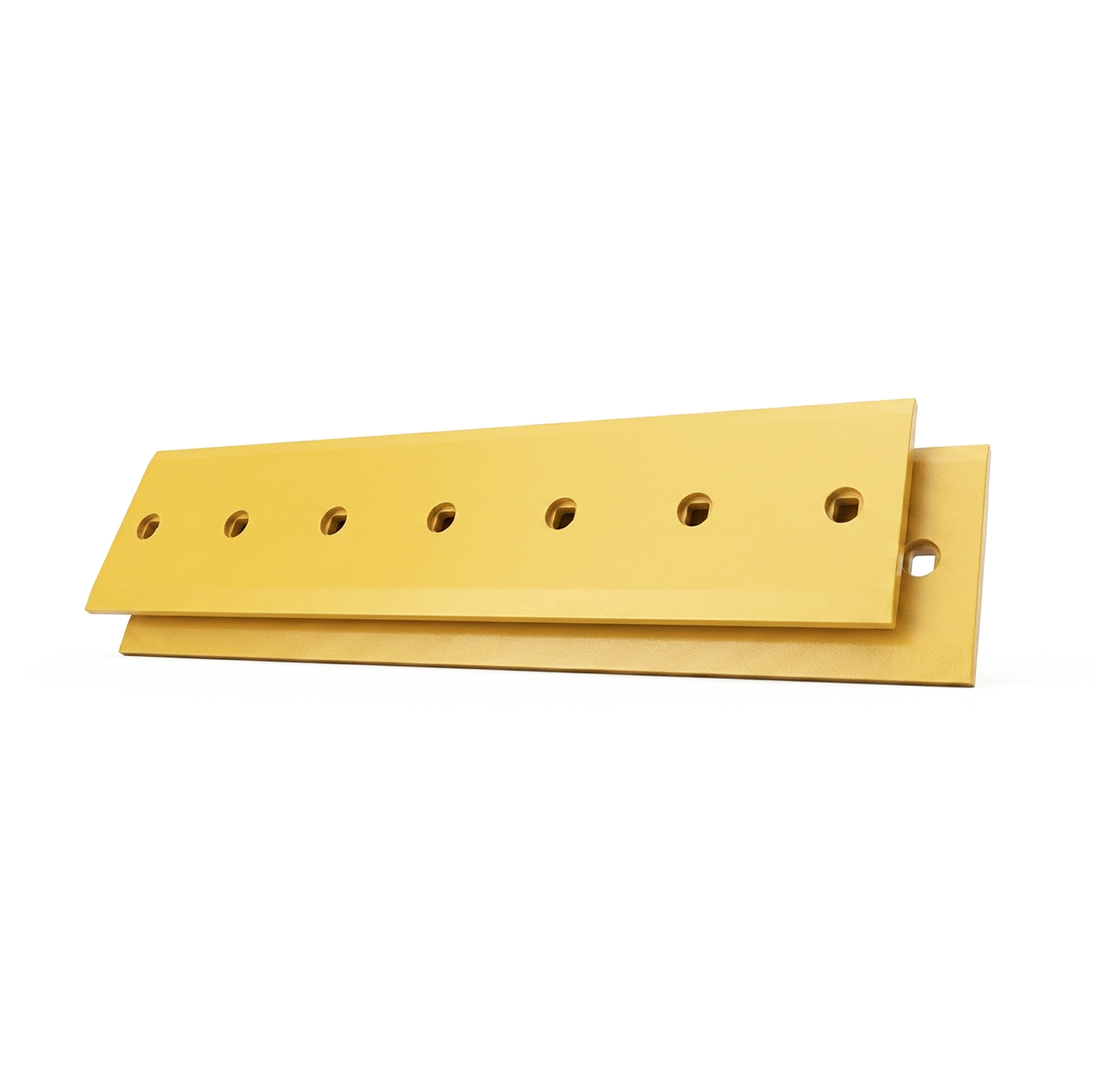
A bulldozer's cutting edge is a hard component attached to the working portion of the blade. It forms the cutting edge of the blade and helps the blade work properly.
When choosing a cutting edge it is important to know what type of bulldozer, blade and application you are using. You should also know the differences between the cutting edge and other elements of the blade. Here we will explain the functions, common styles, what to look for and what to know when finding the right cutting edge.
Understanding the Role of a Bulldozer Cutting Edge
The cutting edge is fitted along the bottom of the blade. It engages with the ground as the bulldozer pushes soil, gravel and other materials. This helps the blade cut through the material and move it forward.
It also helps to protect the blade from contacting the ground directly. As it works with abrasive materials it can suffer from wear. This may affect how well the blade works.
Depending on the type of machine and application the cutting edge will have a different design. It is therefore important to know what you currently have and what you require.
How the Cutting Edge Supports Dozer Blade Operations
The cutting edge helps the bulldozer perform different tasks. Its main role is to make contact with the material being moved and help the blade perform its work.
Some important functions include:
- Cutting: Helps the blade engage with the soil, gravel and other ground materials.
- Moving Loose Material: Provides support to help push the material.
- Surface Levelling: Helps the blade work over the ground.
- Protection: Provides protection by contacting the ground at the bottom of the blade.
The cutting edge can suffer from wear depending on the environment it is working in. If it is working with abrasive ground materials frequently and the type of material being moved.
Different Cutting Edge Designs and Their Uses
Cutting edges are available in different designs for various machine and working requirements. The shape can influence how the edge contacts the ground and handles material.
Common industry design examples include:
Flat cutting edges: These have a straight working profile and are used in different earthmoving applications. Their suitability depends on the blade arrangement and machine requirements.
Curved cutting edges: Their shaped profile changes how the edge meets the ground. The correct design must match the intended blade application.
Serrated cutting edges: These have a shaped or toothed working profile. Their use depends on the material and the type of ground engagement required.
These are general design examples, not a confirmed list of Chenab Engineering product variants. Buyers should share their machine details and existing part information to identify the required design.
Cutting Edge and End Bit: Understanding the Difference
A cutting edge and an end bit are related blade components, but they do not perform exactly the same role.
The cutting edge runs along the lower working section of the blade. It makes contact with the ground and supports cutting, pushing and levelling operations. End bits are fitted at the outer ends of the blade. They help protect the blade corners and support material movement near the sides.
Both parts help keep the blade in good working condition. However, they have different positions and dimensions. When ordering replacement parts, buyers should identify which component needs attention rather than treating both names as interchangeable.
Signs That a Dozer Cutting Edge Needs Inspection
Regular inspection helps operators identify wear or damage before it affects normal machine work. The inspection frequency depends on operating conditions and equipment use.
Look for these signs:
- Uneven Wear: One section can suffer from more wear than the rest.
- Loss of Shape: Can become worn due to repeated contact with the ground.
- Cracks/Damage: Check for any damage.
- Loose/Broken Fixings: If it has bolts check the fixings.
- Blade Engagement: Loss of shape can affect how the blade engages.
If the cutting edge has suffered from significant wear/damage check it against the manufacturers maintenance guidelines. Choose a replacement cutting edge that matches the required design.
Information to Consider When Choosing a Replacement
When choosing the right replacement part knowing the type of machine will not be enough. It would be best to take note of the following information:
Do not rely on approximate measurements when ordering a replacement. Confirm the required dimensions and fitting details against the original component or approved technical documentation.
Chenab Engineering's Cutting Edge for Bulldozer Applications
Chenab Engineering Works lists a Cutting Edge in its Bulldozer & Excavator Parts category. The official product description identifies it as a ground-engaging cutting edge for blades and buckets. Its listed product features include GET and Bulldozer.
The company also has wider engineering and manufacturing capabilities. These include CAD/CAM design, iron and steel casting, precision CNC machining, material specification and quality assurance. Its quality processes include dimensional inspection and non-destructive testing.
We have various capabilities within our engineering department. We offer CAD/CAM, Iron & Steel Casting, Precision CNC Machining, Material Specification and Quality Assurance. We can check dimensions and carry out non-destructive testing. These capabilities also support our work as an excavator cutting edge supplier, helping us address different engineering and component requirements.
The requirements of manufacture can be confirmed from our drawings and specifications. If you are looking for a supply of an excavator cutting edge please make sure that you have clear information about the machine and component you require.
Share Your Component Requirements with Chenab Engineering
By knowing what you require ahead of time you can ensure the supplier knows exactly what you need. Make a list of all the information you have on hand including: Machine details, current PN, measurements and any pictures or technical drawings.
This will make it easier to search for the correct component requirements and discuss what needs to be done.If you would like a cutting edge for your bulldozer or excavator, please contact us to discuss your product requirements.
Website: https://chenabengineering.com/Email: info@chenabfoundries.com