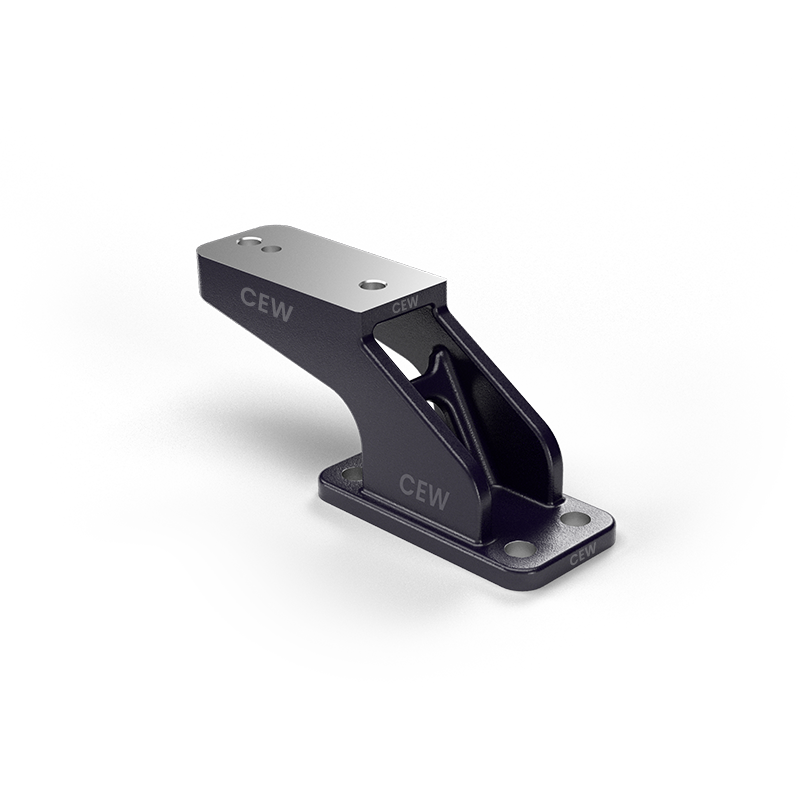
The tractor frame will provide a strong framework for critical components. The Hattat tractor frame is a key part used in the main structure. The casting's design and quality affect how well it works.
When considering replacing or manufacturing the right Hattat frame casting for your needs, it's important to ensure the design of the component is suitable. The Hattat Frame is a Structural Frame casting provided by Chenab Engineering Works.
What Does a Tractor Frame Do?
The tractor frame forms an important part of the tractor's main structure. It will provide support and connection between various tractor assemblies depending on the design. The frame will add strength and stability.
As a tractor will be used in a variety of environments including field use, transport and other agricultural use, there will be regular movement, vibration and load on the tractor. The design of the frame must be fit for purpose.
Depending on what tractor model you have the frame design may vary. Make sure you choose the correct part for its intended use.
How Frame Casting Supports Tractor Construction
Casting is a way to make metal parts. This is ideal for complex shaped components. The melted metal is poured into a mould to form the required part. Once the metal has cooled and hardened the casting can then be removed.
The casting process will help to produce the main shape of the Hattat tractor frame. As long as the mould, metal and processes are high quality, the casting will be high quality. By using good casting practices, you can help to avoid any issues with defects and ensure the cast part is of the right shape.
Why Casting Quality Matters in a Hattat Frame
A frame casting needs to match its intended design. Problems with the casting shape or dimensions can affect how the component relates to other parts during assembly.
Several factors are important when assessing casting quality:
- Shape and dimensions: The casting should follow the required design and measurements.
- Surface condition: The surface should be checked for visible casting defects.
- Internal quality: Suitable inspection methods can help identify defects that may not be visible from the outside.
- Material selection: The material should meet the requirements provided for the component.
- Consistency: A controlled production process helps maintain quality across castings.
These checks are part of responsible casting production. However, the required material grade, dimensions and inspection criteria must come from the approved product specifications rather than general assumptions.
Chenab Engineering's Foundry Capabilities
Chenab Engineering Works provides foundry and casting services for different industrial and agricultural applications. Its official website lists grey iron and ductile iron casting, along with sand casting for carbon and alloy steel.
The company also lists several moulding methods, including green sand, resin sand, shell moulding and the CO2 process. These are part of its general foundry capabilities. The exact process and material will depend on the approved requirements.
Understanding the design and manufacturing requirements for the Hattat frame casting is key. Customers can provide us with drawings or details of the component so we can review.
From Casting Preparation to Quality Checks
Producing a casting involves more than pouring molten metal into a mould. Each stage needs attention to help achieve the required shape and quality.
The process starts with making the pattern and mould. The metal is then melted, poured into the mould, and left to cool. After solidification, the casting goes through cleaning and further inspection.
Chenab Engineering's website also lists quality-related capabilities such as spectrometric material analysis, dimensional inspection, non-destructive testing and hardness testing. These methods support its wider quality assurance processes.
The inspection method used for a particular casting depends on its requirements. Not every test applies to every component, so the relevant checks should be confirmed for the product being ordered.
The Role of Machining in Component Preparation
Depending on what casting is required, the inspection process will vary. All components will not require the same tests, ensuring the correct checks are identified. Some cast components will need machining to provide the dimensions and features required. Machining can be used to prepare certain areas.
Chenab Engineering can provide CNC Turning, CNC Milling, Multi Axis & Surface Grinding.
Depending on the design and supply requirements of the Hattat tractor frame you may require machining. Ensure you know if you require a casting or machined part.
What to Check Before Enquiring About a Hattat Frame
Providing clear information helps suppliers understand the required component and review an enquiry more accurately.
Before contacting a supplier, try to arrange the following details:
- Part name: Confirm that the required component is the Hattat tractor frame.
- Tractor details: Share the model information if it is available.
- Part reference: Provide a part number or catalogue reference where possible.
- Drawing or sample: Share an available technical drawing, photograph or sample for reference.
- Quantity: Mention how many components you require.
- Processing needs: Explain whether you are looking for a casting or a machined part.
These details help clarify the requirement. If some information is unavailable, you can still share the details you have and ask what else is needed.
Discuss Your Hattat Frame Casting Requirement with Chenab Engineering
With clear details on the product you're looking for, you can find the right structural casting. The Hattat Frame is a Structural Frame casting provided by Chenab Engineering Works. We can offer a range of foundry, machining and QA services.
If you are looking for a Hattat tractor frame or information on Hattat frame casting please get in touch. Provide us with details of the part, drawing or reference.