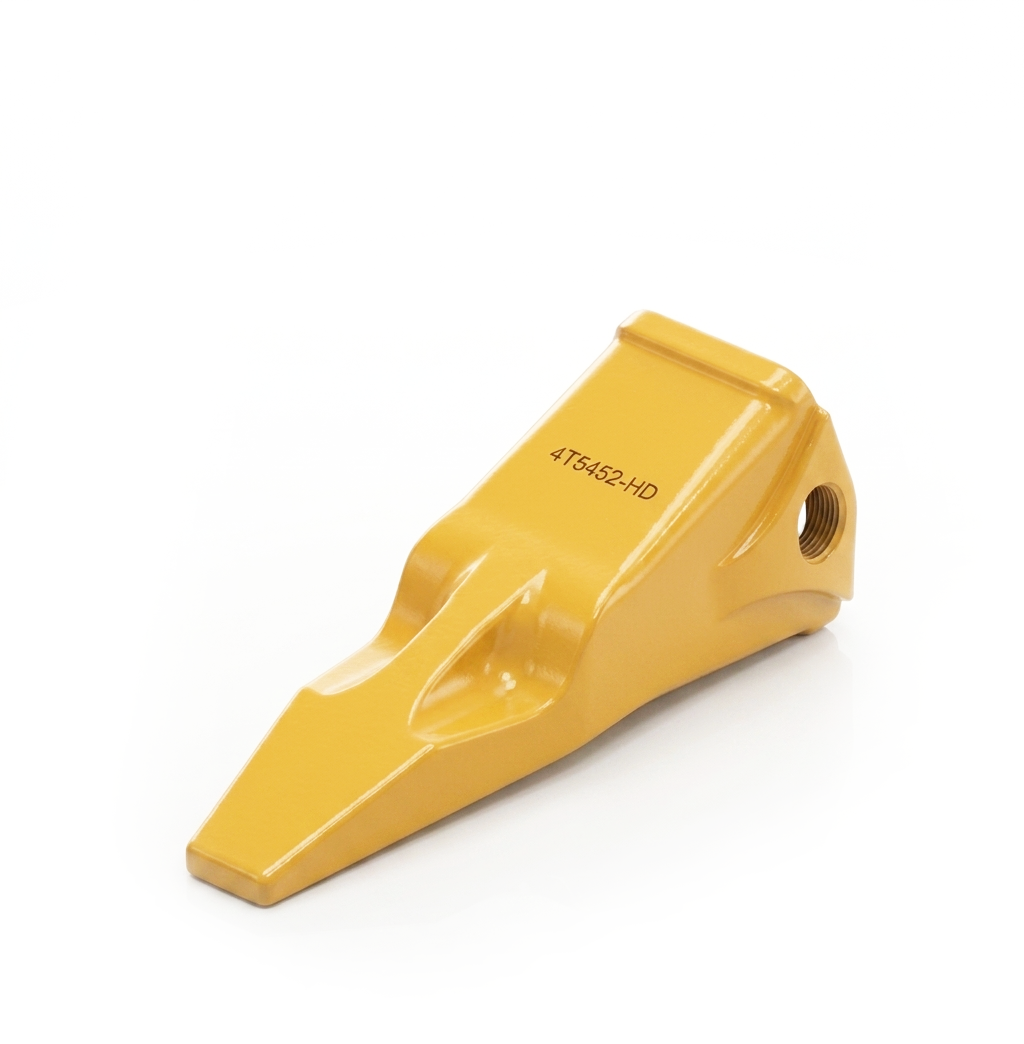
Excavators often work in harsh soil conditions. If you are digging into hard soil, concrete or a variety of other hard materials you may need specialist tools to assist with engaging the ground. A Ripper Boot will help with engaging the attachment and will aid in ripping operations.
When choosing the right tool for your application it is important to ensure that you have the correct design, fitting and machine requirements. Understanding how this attaches to other bucket tools will also help you. This guide will help you understand how the tool works, typical applications, signs of wear and key considerations.
What Is a Ripper Boot for Bucket?
A ripper boot is a ground-engaging component associated with a bucket or ripping attachment. This tool is part of the operational tool which will aid with engaging the ground. It will help the attachment dig in and break down concrete like materials.
This will work with the appropriate fitting and tip to help transfer the force from the machine. Ripping will help with breaking down materials which are too hard or concrete to dig into with a standard bucket.
Depending on the equipment and attachment design the fitting may vary. It is important to know what you have and the fitting details.
How a Ripper Boot Works with the Bucket Assembly
A ripping attachment uses a pointed working section to engage with the ground. This is part of the fitting which will help with the operational tool. As the excavator applies force the attachment will dig in and help break down the material.
This can help make excavation easier. The tool must be the correct fit for the assembly.
When checking your current assembly look out for:
- Mounting arrangement: Check how the boot connects to the rest of the attachment.
- Working tip: Inspect the part that makes direct contact with the ground.
- Fitting condition: Look for visible damage or excessive movement around the connection.
- Overall shape: Compare the existing component with its original design or technical drawing.
A replacement should match the required attachment arrangement. A similar-looking part may not have the correct dimensions or connection details.
Where Ripper Boots Are Used
Ripping attachments are useful in applications where ground conditions make direct excavation difficult. They help break or loosen material so that it can be removed more easily.
Common application areas include:
Compacted soil: Ripping can loosen dense ground before further excavation or site preparation.
Construction work: Excavators may use ripping attachments when preparing ground for foundations, access routes and other site activities.
Earthmoving operations: Breaking up material can support the movement and removal of soil across a work area.
Difficult ground conditions: A suitable attachment can help engage with material that requires more than ordinary bucket digging.
The right attachment depends on the machine, ground conditions and work requirements. Operators should always follow the equipment manufacturer's guidance for attachment use.
Ripper Boot vs Bucket Tooth: Understanding the Difference
A ripper boot and a conventional bucket tooth are both associated with ground-engaging equipment, but they serve different purposes.
A bucket tooth is fitted to the edge of a digging bucket. It helps the bucket penetrate material during normal excavation and loading work.
A ripper boot belongs to a ripping-related assembly. It supports the working arrangement used to break or loosen compacted ground before excavation.
These should not be used interchangeably. The shape, fitting and application can differ. It will be important to know what you need before ordering a new part.
Signs You Need to Inspect Your Ripper Boot
As these tools are engaging with abrasive materials regular inspections will help identify any wear or damage.
Look out for:
- Visual Wear - Round or deformed profile.
- Cracking / Damage - Look for any damage on the body and fixing areas.
- Loose Fixing - If the mounting area is loose then there may be an issue with the fixing.
- Uneven Wear - Uneven wear indicates that the component is not making contact with the ground as it should be.
- Performance has decreased - This can indicate that you need to inspect your attachment.
Refer to the manufacturer's maintenance information in case of any signs of damage. Replace with a part which meets the original specification.
What to Check Before Selecting a Replacement
Choosing a suitable replacement requires accurate information about the machine and existing attachment. A few basic checks can help reduce the risk of ordering an incompatible component.
Before making an enquiry, prepare:
This will give the supplier more details about the component you require. Do not rely on just matching up the parts visually as slight differences in size and connection details can cause problems with fitting.
Chenab Engineering's Ripper Boot for Bucket Applications
Chenab Engineering Works lists a Ripper Boot For Bucket in its Bulldozer & Excavator Parts category. The official product description identifies it for bucket and ground-engaging applications. Its listed product features include GET and Bucket.
We have many capabilities within our engineering department including CAD/CAM design, iron and steel casting, precision CNC machining, material specification and quality assurance. We also offer dimensional inspection, non-destructive testing and other quality services.
These capabilities will help us with various engineered components however to confirm the material, size and manufacturing requirements please check the technical specifications.
If you are looking for an excavator ripper boot we can talk to you about your current part. Providing us with drawings, measurements and clear images will help explain the requirements.
Discuss Your Ripper Boot Requirements with Chenab Engineering
To find the correct replacement part it is important to have accurate information. We can talk through your requirements. Please provide us with details of your machine, part number, size and fitting requirements.
Chenab Engineering can talk through your component requirements. Visit our official website or get in touch with us to talk through the product listed.
Website: https://chenabengineering.com/Email: info@chenabfoundries.com