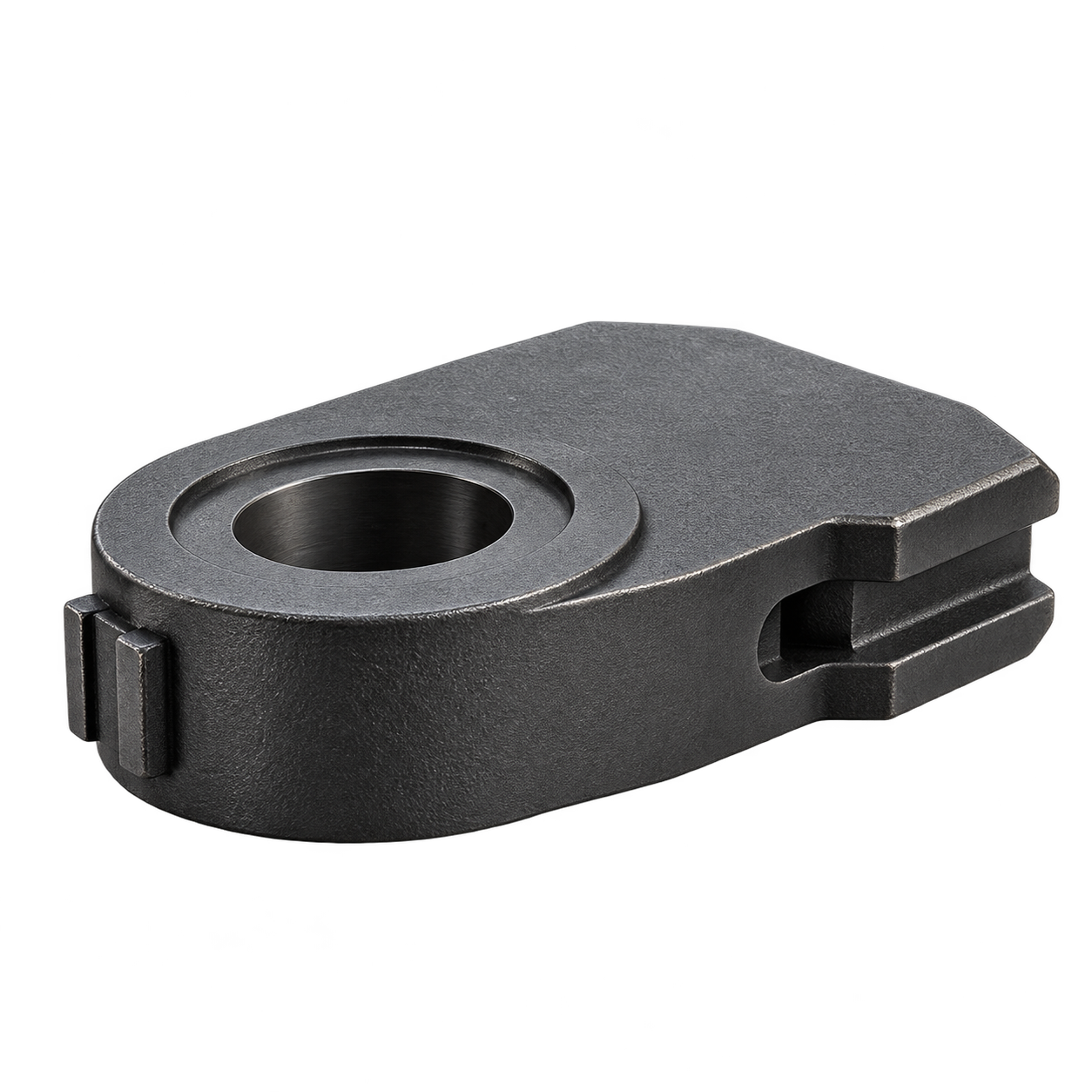
Crusher hammers are functional parts of an impact crushing device. The hammer is responsible for striking the material entering the device to reduce the size of large pieces. The hammer will experience regular impacts and contact with hard materials.
A mining and processing business will require parts that are suitable for their devices. Considerations must be made for the size, material and application of the part.
Chenab Engineering Works lists a heavy-duty mining hammer casting in its official Mining Parts range. The product is intended for crusher and wear applications, giving buyers a direct option to discuss their component requirements with the company.
How Impact Breaks Down the Feed Material
The material needs to be fed into the crushing chamber via a feed opening. The rotor rotates the hammering mechanism. This causes the material to be hit with high velocity causing large pieces to become smaller pieces.
Depending on the machine design, material may also come into contact with internal crushing surfaces and grates. Once the material has been reduced to the correct size it can exit through the discharge holes.
As this is a functional part of the device the design and condition of the hammer will affect how it interacts with the feed material. It must also fit the design of the device for the rotor to function correctly.
Before purchasing a new part consideration must be made for the overall application.
Working Conditions That Affect Component Wear
The working surface will be subject to impact and wearing during the crushing process. The amount of wear depends on several factors such as:
The type of material being crushed, hard or abrasive materials can cause more wear. Irregular feeding and incorrect operating conditions could also cause wear.
Some common signs that need attention include:
- Visible loss of material from the working surface.
- Uneven wear across different areas.
- Cracks or other signs of physical damage.
- Changes in crushing output.
- Unusual vibration or noise during operation.
This does not necessarily mean that the part will need replacing straight away. An inspection of the equipment should take place and the maintenance guidelines from the machine manufacturer should be followed.
Regular inspections can help detect wear issues early.
Where This Type of Component Is Used
Impact crushing devices can be used in a variety of material processing industries. The application will depend on the design of the machine and what type of material it is designed to process.
Common areas include:
Mining operations: Crushing equipment helps reduce extracted rock into smaller pieces for further processing.
Quarrying: Impact crushing can be used in the processing of suitable stone and aggregate materials.
Cement production: Some crushing stages use hammer-based equipment to reduce suitable raw materials and other feed materials.
Industrial material processing: Hammer-based machines are also used in selected applications where impact is suitable for breaking down the incoming material.
Not every hammer is suitable for every machine or material. The equipment manufacturer's design and the required component specification should guide selection.
What Makes a Suitable Replacement?
A replacement part needs to match the machine's design and operating requirements. Even small differences in shape or dimensions can affect fitting and operation.
Before sourcing a hammer for crusher equipment, buyers should review several details:
Equipment identification: The machine make, model and existing part reference help identify the required component.
Dimensions and shape: Overall dimensions, mounting arrangement and working profile should match the approved design.
Material requirements: The selected material should suit the expected impact and wear conditions. The required grade should be confirmed rather than assumed.
Operating environment: Feed type, material size and working conditions help explain the demands placed on the component.
Order quantity: The number of required parts can help suppliers review the production or supply arrangement.
A technical drawing or an existing sample can make this review easier. Buyers should confirm the final specification before placing an order.
From Casting Design to Finished Components
Casting is a process used to create metal components. Molten material is poured into a prepared mould and left to cool. Once the metal has solidified the casting is removed and can be prepared for further processes. This can create complex shapes that may not be achievable using other manufacturing processes.
Chenab Engineering Works provides foundry and engineering services for industrial components. Its official website lists green sand, resin sand and CO sand casting processes. The foundry also lists grey iron, ductile iron, carbon steel and alloy steel among its material capabilities. The company also provides design and development services, including CAD/CAM engineering, reverse engineering and custom tooling. These services support the review and preparation of component designs.
Where a project requires further machining, Chenab lists CNC turning, milling, boring, grinding and finishing capabilities. Its quality services include dimensional inspection, material analysis and non-destructive testing. These are company-level capabilities. The actual material, casting route and finishing requirements for an individual mining component must be confirmed against its approved drawing and specification.
Chenab's Mining Hammer Casting
Chenab Engineering Works lists mining hammer casting in its official Mining Parts product range under the name Hammer. Its product description identifies it as a heavy-duty casting for crusher and wear applications.
This listing will be relevant for businesses who require a replacement part or component for a mining related crushing application. Contact us with details of your equipment so we can discuss the part you will require.
When making an enquiry, it is useful to share:
- Machine make and model.
- Component drawing or sample.
- Required dimensions and material grade.
- Mounting and fitting details.
- Expected order quantity.
- Any inspection or documentation requirements.
This information will help us understand the component and allow us to review the requirements.
Discuss Your Order with Chenab Engineering
To ensure the correct hammer is chosen for the crusher the part must be suitable for the device, material and operating conditions. The heavy duty hammer casting listed by Chenab Engineering Works can be used for crusher and wearing applications. The foundry, design, machining and inspection capabilities allow a wide variety of industrial component requirements to be met.
Send us your drawings, specifications and quantity so we can discuss your project.